
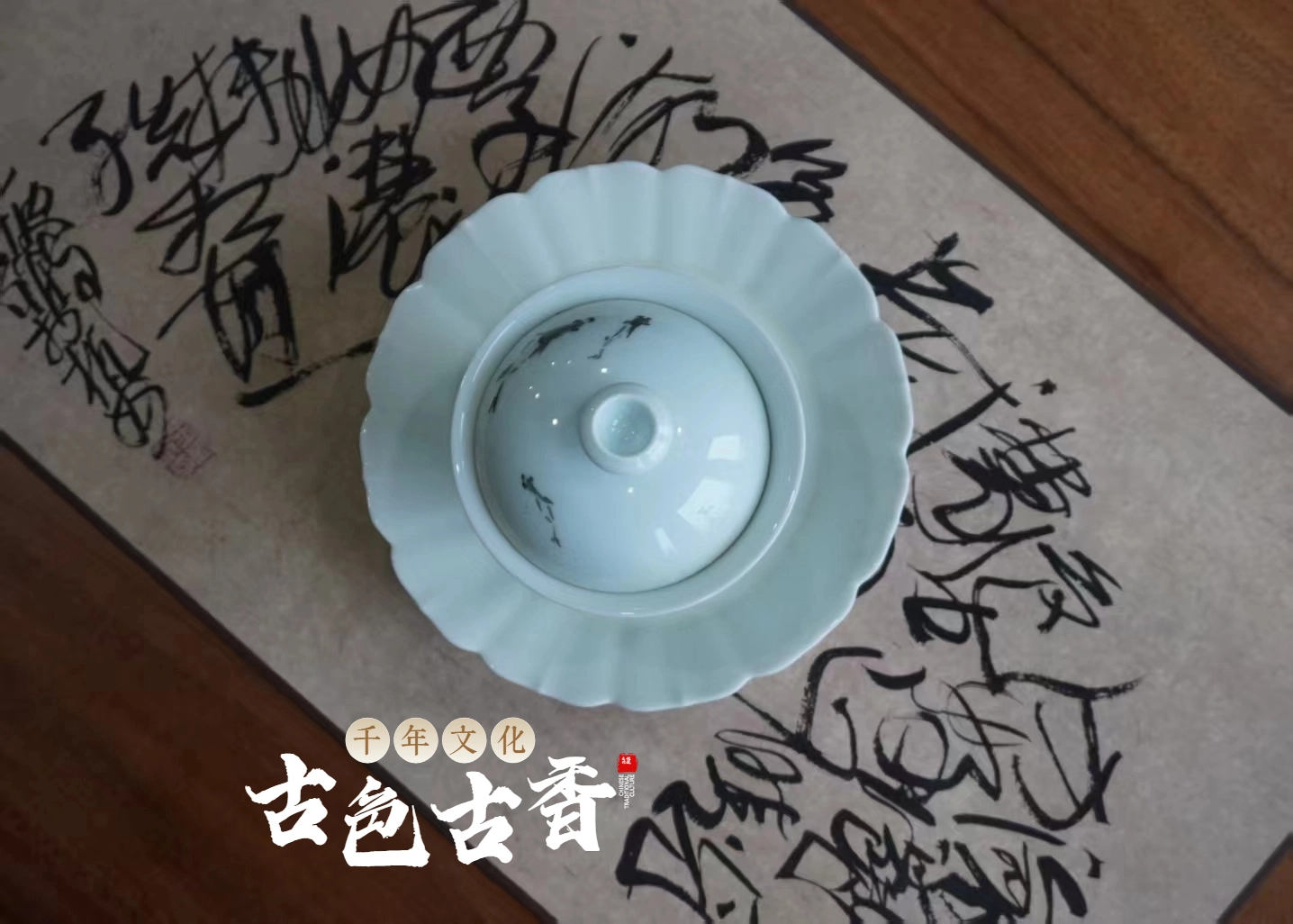
A Xuan silk tea mat is a refined tea-table textile made with silk or silk-blend fabric and inspired by Chinese art, calligraphy, and literati aesthetics. It protects the tea table, absorbs small spills, frames teaware beautifully, and adds cultural meaning to a gongfu tea setting. It is also a thoughtful gift because it suggests elegance, hospitality, calm, and respect for the recipient's daily rituals.
A tea mat may look simple at first: a rectangular piece of fabric placed beneath teaware. In Chinese tea culture, however, the mat does more than decorate the table. It defines the brewing area, softens the setting, and turns a practical tea session into a composed visual experience.
A Xuan silk tea mat usually refers to a silk or silk-inspired tea textile connected with the graceful language of Chinese scholar culture. The word "Xuan" often calls to mind refined materials, brush-and-ink aesthetics, and the quiet elegance associated with traditional study rooms. On a tea table, that feeling appears through soft sheen, restrained color, calligraphy patterns, landscape details, or subtle woven texture.
Compared with cotton, bamboo, or linen mats, a Xuan silk tea mat feels more formal and artful. It is not meant to look rugged or rustic. Instead, it gives the tea table a polished presence. For tea drinkers who enjoy gongfu brewing, a silk mat visually connects the gaiwan, teapot, fairness pitcher, cups, and tea tools into one calm arrangement.
The defining feature of a Xuan silk tea mat is its textile quality. Many are made from silk, silk blend, brocade, jacquard-style woven fabric, or a structured fabric with a silk-like surface. Some premium pieces use mulberry silk, while more durable daily-use mats may combine silk with cotton, polyester, or other fibers for added strength and easier care.
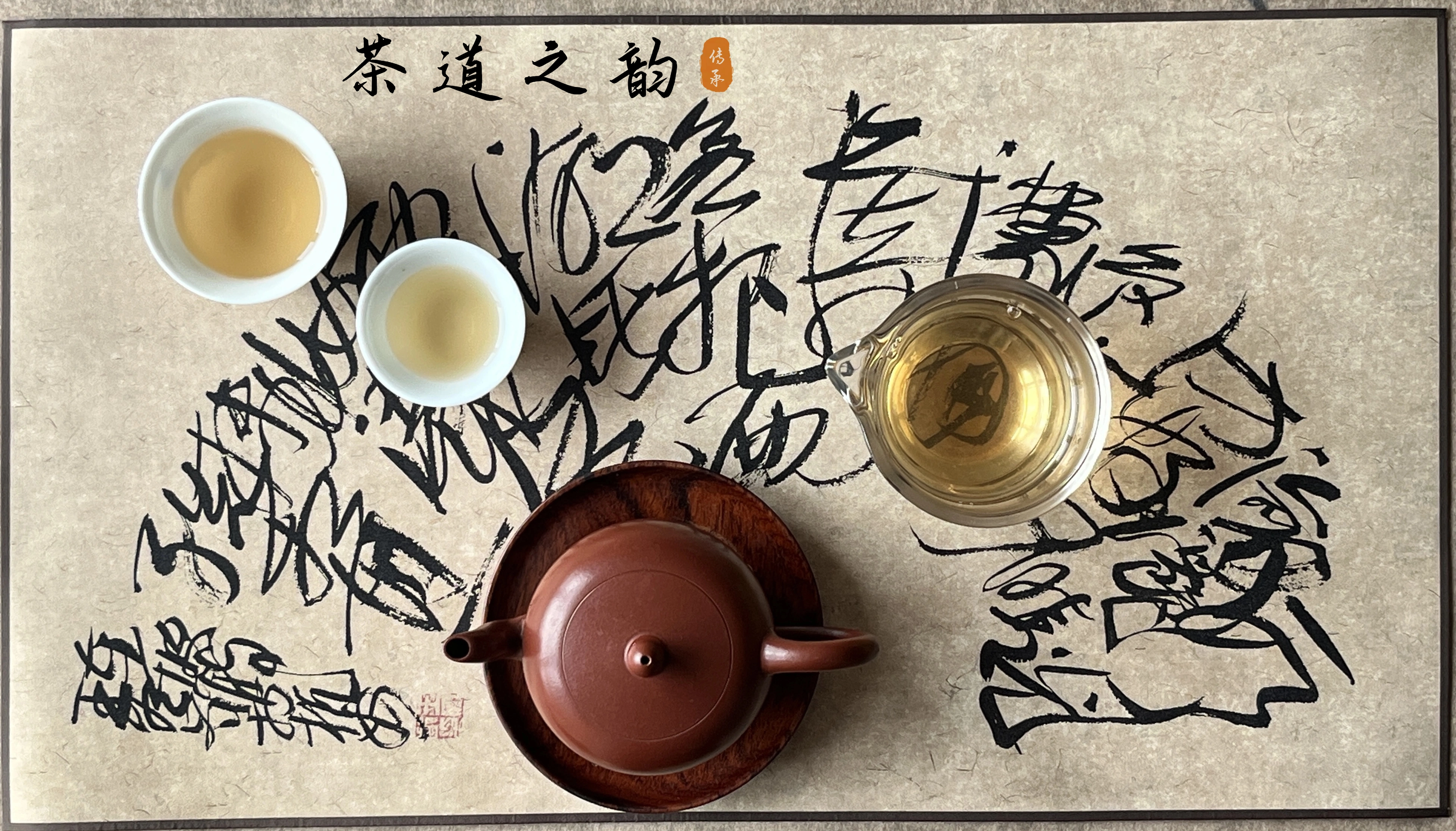
A good tea mat should balance beauty and function. Pure silk has a smooth handfeel and natural luster, but it can be more sensitive to stains and moisture. Silk-blend mats are often more practical for regular use because they hold their shape better and can be easier to maintain. If the mat includes a cotton, felt, or suede-like backing, it will sit more securely on the table and reduce slipping.
Texture matters. A mat that is too slippery can make small cups feel unstable, while a mat that is too thick may interfere with delicate teaware. The best Xuan silk tea mat has a smooth but grounded feel: elegant enough for display, practical enough for actual brewing.
Using a Xuan silk tea mat is simple, but placement makes a difference. Lay it flat on a clean, dry table before arranging your teaware. A gaiwan or small clay teapot usually sits near the center or slightly toward the brewer. Cups can be placed in a neat row or gentle arc. A fairness pitcher, tea scoop, tea towel, and tea pet can sit around the main brewing area.
A silk tea mat is best for dry or semi-dry tea settings. If you use a wet tea tray with heavy rinsing and frequent overflow, place the silk mat beside the tray rather than directly under constant water. Silk can handle small drips, but it should not be soaked.
Use it for gongfu tea sessions, guest serving, product styling, tea photography, quiet reading, meditation, incense-and-tea rituals, or gift presentation with teaware and loose-leaf tea. Keep a small tea towel nearby so the mat can define the visual space while the towel handles active wiping.
Explore the Su Shi Poem Calligraphy Tea Mat if you want a Xuan silk tea mat designed specifically for an artful tea table.
A Xuan silk tea mat is a gift with quiet symbolism. Unlike a mug or tea tin, it is not only a useful object. It also suggests that the recipient deserves a more peaceful and beautiful daily ritual.
In Chinese gift culture, tea-related objects often carry meanings of respect, sincerity, and connection. A tea mat adds another layer: it represents care for the space where tea is shared. Giving one can feel personal without being overly intimate. It is suitable for tea lovers, hosts, teachers, business partners, parents, or friends who appreciate traditional aesthetics.
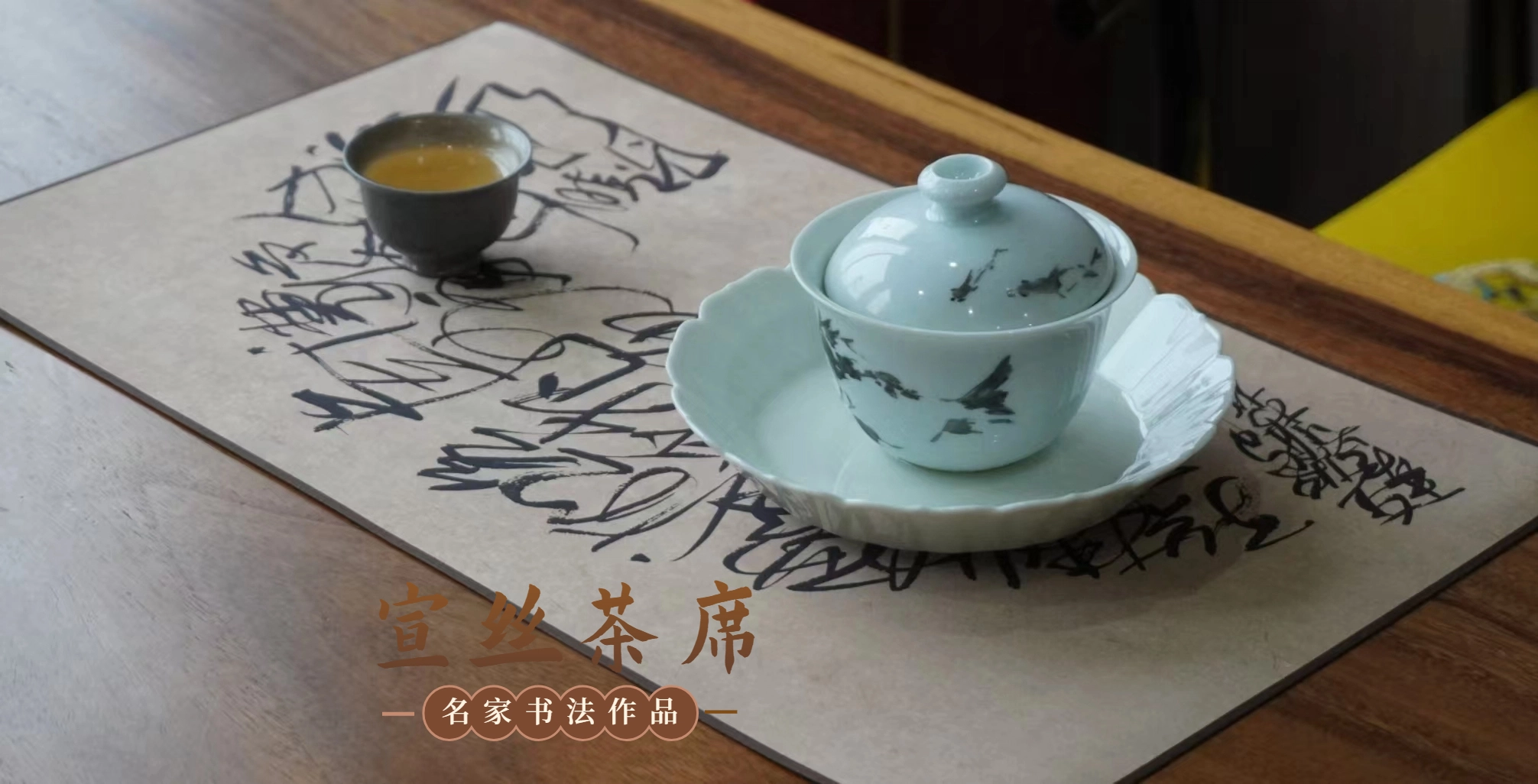
The material also matters. Silk has long been associated with grace, refinement, and good taste. When combined with calligraphy or Xuan-inspired design, the gift can suggest scholarship, calm, and cultural appreciation. It says: may your table be orderly, your tea be fragrant, and your time be unhurried.
A tea mat works especially well as part of a gift set. Pair it with a porcelain gaiwan, a small tin of Chinese tea, a tea towel, or a set of cups. For an adjacent cultural reference, the West Lake, Su Shi, and Wang Dongling's Chaos Script article explains the poetic calligraphy background that makes this kind of tea textile feel more meaningful.
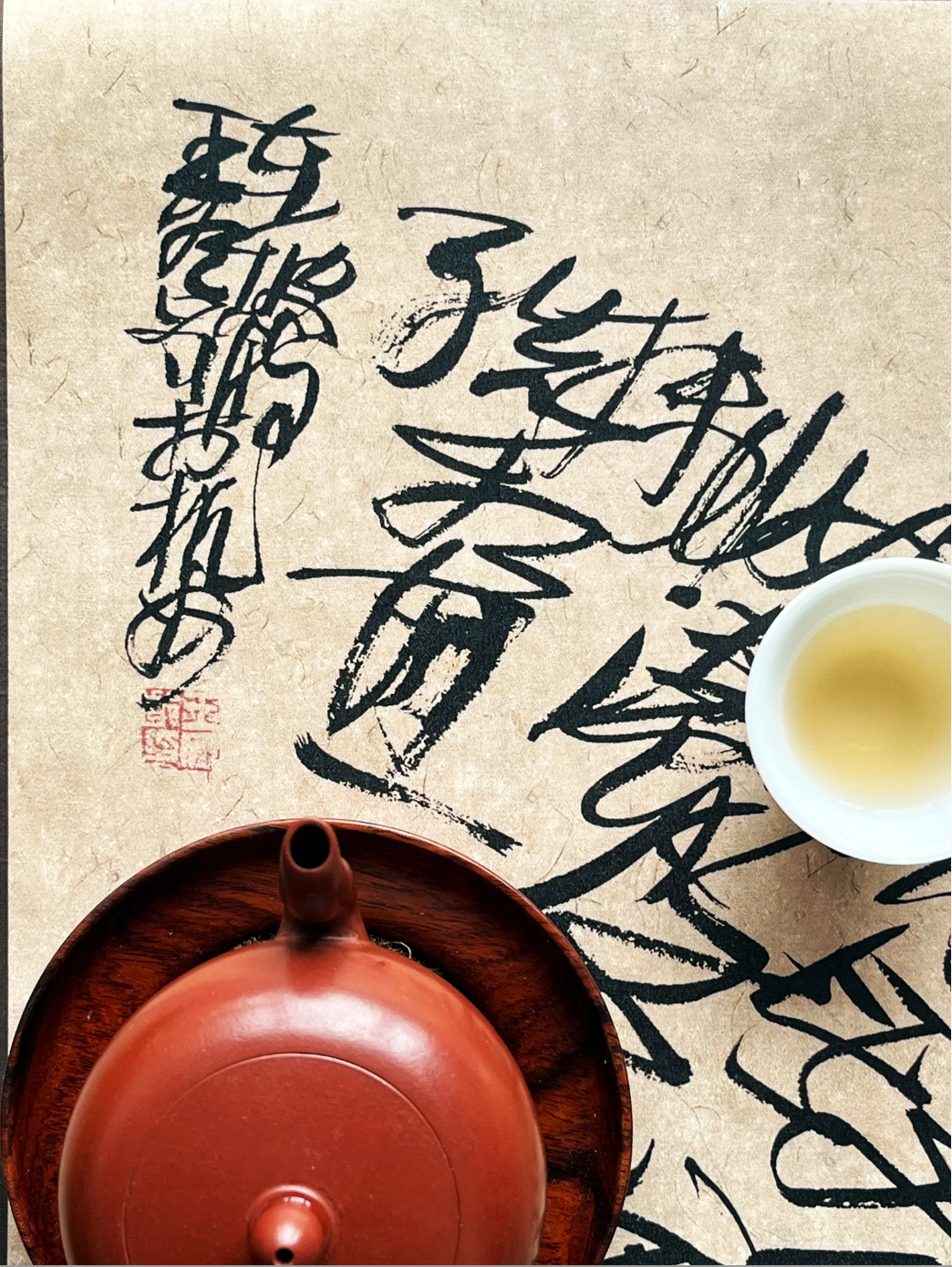
For most tea drinkers, the best recommendation is the Su Shi Poem Calligraphy Tea Mat. It is a Xuan silk tea mat inspired by classical Chinese poetry and calligraphy, designed for tea ceremonies, home tea tables, cultural gifts, and art-inspired lifestyle spaces.
If you prefer a stronger historical image, also see the Dunhuang Flying Horse Brick Rubbing Tea Mat, which connects the tea table with Silk Road visual culture.
Treat a Xuan silk tea mat gently. After each tea session, shake off dry leaves and blot tea spots with a clean, soft cloth. Avoid rubbing, bleach, hot water, and harsh detergents. If deeper cleaning is needed, spot-clean with cool water and mild soap, then air-dry fully before storage.
Store the mat flat or loosely rolled, away from direct sunlight. This helps preserve the color, sheen, and smooth surface for future tea sessions.
Choose the Su Shi Poem Calligraphy Tea Mat to create a more graceful tea setting or prepare a thoughtful cultural gift.
Usually, no. It can handle small drips, but it should not be soaked. Use a tea tray or towel for heavy rinsing.
Yes, especially if it is made from a durable silk blend with a stable backing. For daily use, choose darker colors or subtle patterns that hide minor tea marks.
Yes. It is elegant, practical, and culturally meaningful. It is especially suitable for tea lovers, hosts, teachers, business partners, and anyone who enjoys refined home rituals.

